Boost Skiing Power

Chandan Singh
| 08-12-2025
 · Sport Team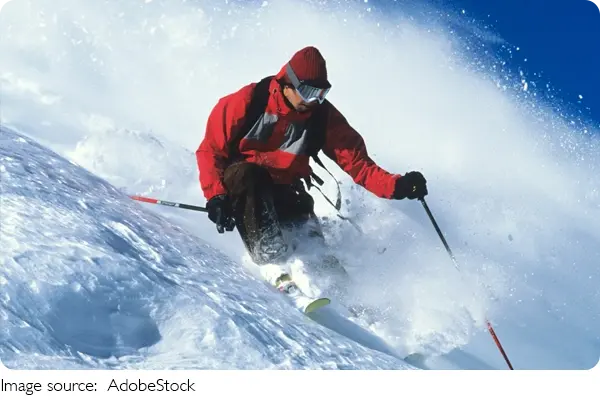
Skiing is more than just a fun winter sport; it's a full-body workout, especially for your legs.
If you're looking to gain more control, speed, and stamina on the slopes, building explosive leg power and endurance is key.
Whether you're racing down a slope or navigating sharp turns, strengthening your legs will make all the difference. Here's how to boost your leg explosiveness and endurance to ski like a pro.
Targeting Explosive Power
Explosive power is essential for skiing, especially for quick starts, jumps, and sharp turns. Developing this type of strength allows you to make fast, dynamic movements, which is exactly what you need to stay in control on steep or difficult terrain.
One of the best ways to build explosive power in your legs is through plyometric exercises. These exercises engage your fast-twitch muscle fibers, helping to improve your quickness and agility.
Example: Try box jumps or squat jumps to build strength and power. For box jumps, stand in front of a sturdy box or platform, squat down, and then jump as high as you can, landing softly on the box. This mimics the explosive movements used in skiing, such as when you need to push off quickly for a jump or to cut through turns.
Endurance Training: Skiing for Hours
When you're on the slopes for hours, your legs are constantly engaged. Skiing requires endurance, especially in your quads, calves, and hamstrings. The key to building leg endurance is repetitive, low-intensity exercises that help you last longer without tiring.
Example: Try long-duration cardio activities such as cycling, running, or stair climbing. These exercises build stamina and replicate the continuous motion your legs go through while skiing.
Add weight to your endurance routine to simulate the load your legs carry on the slopes. Use a weighted vest or carry dumbbells while performing exercises like squats, lunges, or step-ups to build both strength and endurance in your legs.
Strength Training: A Foundation for Skiing
Strengthening your legs will allow you to maintain better form and avoid fatigue during long skiing sessions. Incorporating leg exercises into your fitness routine will also help with balance and stability, which are crucial when navigating tricky terrain.
Start by focusing on compound movements such as squats and lunges. These exercises target multiple muscle groups in your legs, helping to build strength across your entire lower body.
Example: The goblet squat is an excellent choice. Hold a dumbbell or kettlebell at chest level, squat down to parallel, and then stand back up. This strengthens your quads, hamstrings, and glutes, all of which are heavily used during skiing.
Also, don't forget to work your calves and glutes, as these muscles are crucial for skiing posture and maintaining control. Calf raises and hip thrusts are two great exercises to incorporate into your workout.
Stability and Balance Drills
Balance is vital in skiing, and the better your balance, the more precise your movements will be on the slopes. Stability exercises train your muscles to stay engaged and maintain control, even in the most challenging positions.
Use a balance board or stability ball to enhance proprioception—the awareness of where your body is in space. This helps your muscles and brain communicate more efficiently, improving your overall coordination.
Example: Stand on a balance board and perform small knee bends, or try single-leg deadlifts. This challenges your stabilizing muscles and simulates the movements you make while skiing, especially during turns and shifts in weight.
Flexibility and Mobility for Range of Motion
While strength and power are important, flexibility is just as critical for improving your skiing performance. A good range of motion allows for more fluid movements, helping you make tight turns and control your speed.
Focus on dynamic stretching before skiing and static stretching after skiing. Stretching will prevent tight muscles and reduce the risk of injury while increasing your overall mobility.
Example: Stretch your quads and hip flexors by holding a standing quad stretch. Pull one foot behind you and gently push your hips forward for a deep stretch. This will help maintain flexibility in your legs and hips, giving you more control on the slopes.
Nutrition: Fueling Your Muscles
To get the most out of your training, it's important to fuel your body with the right nutrients. Protein is essential for muscle repair, and carbohydrates provide the energy needed for your workouts and skiing sessions.
Example: After a workout or a day on the slopes, make sure to refuel with a meal that includes lean protein (like chicken or tofu), whole grains (like quinoa or brown rice), and healthy fats (like avocado or nuts). This combination will give your muscles the nutrients they need to recover and grow stronger.
Hydration is just as crucial, as dehydration can lead to muscle fatigue and cramps. Drink water throughout the day, and consider adding electrolytes to your drink if you've been working out intensely or skiing in the cold for an extended period.
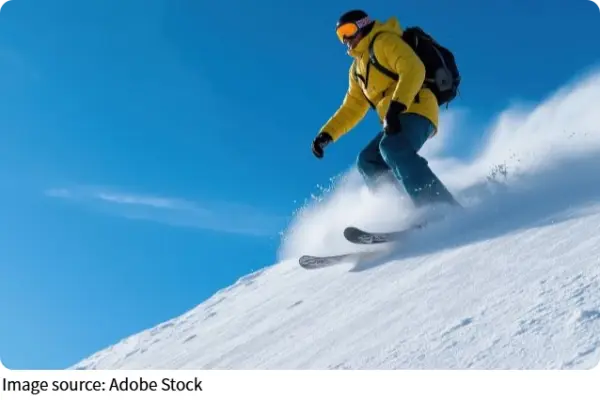
By focusing on explosive power, endurance, strength, balance, and flexibility, you'll build the necessary leg strength and stability to tackle any slope with confidence. Remember, consistency is key—by incorporating these training techniques into your routine, you'll be skiing with more control, speed, and stamina in no time. So, get out there, strengthen your legs, and enjoy the slopes!